Have you been quoted $15,000 to $20,000 for a roof replacement, and then found a contractor willing to install new shingles over your existing roof for $10,000 to $12,000?
And are you wondering whether that $5,000 savings is worth it, or if you’re taking a risk that could cost you even more down the road?
The truth is, yes, you can technically install 50-year shingles over existing shingles in most areas, but it’s almost never a good idea. Overlaying new shingles (also called a roof-over or layover) voids most manufacturer warranties, hides critical damage to your roof deck, shortens the lifespan of your new shingles by up to 40%, and ultimately costs more when you’re forced to do a full tear-off years earlier than expected.
At Hoel Roofing, we’ve inspected thousands of roofs across Indiana over nine years, and we’ve seen the aftermath of overlays gone wrong. We never install shingles over existing shingles, even when customers ask us to, because we’ve seen too many homeowners pay double when hidden problems surface years later.
This article explains exactly why contractors say no to overlays, what happens when you layer shingles, how much you actually save (and lose) with an overlay, and when a full tear-off is the only smart choice for your Indiana home.
By the end, you’ll know why the “cheap” overlay quote is actually the expensive option, what questions to ask contractors who recommend overlays, and why investing in a proper tear-off protects your home and your wallet for decades.
A roof overlay (also called a layover or roof-over) means installing new shingles directly on top of your existing shingles, without removing the old layer first.
The appeal is obvious:
On paper, it sounds like a smart way to stretch your budget. But here’s what actually happens with overlays:
At Hoel Roofing, we refuse to do overlays because we’ve seen the long-term consequences too many times. The short-term savings aren’t worth the long-term disaster.
Asphalt shingles already get hot, 140°F to 170°F in direct summer sun. With two layers:
Indiana summers are brutal on roofs. Trapped heat shortens your roof’s lifespan by 10 to 15 years.
The roof deck (plywood or OSB sheathing) is the foundation of your roof. With an overlay, you never see:
These problems don’t go away when you cover them with new shingles, they get worse.
Asphalt shingles weigh 275 to 475 pounds per 100 square feet. An overlay doubles the weight your roof structure supports:
In Indiana, add winter snow loads (20 to 40 pounds per square foot), and Ice dams (additional localized weight). This results in sagging, structural failure, or even collapse in extreme cases.
New shingles need a flat surface to seal properly. Old shingles create:
When new shingles are installed over this uneven surface adhesive strips don’t bond properly, wind gets under shingles and lifts them, and eventually the shingles blow off in storms.
Indiana wind storms (50 to 80 mph gusts) exploit every weak seal. Overlays fail far more often in high winds.
Proper attic ventilation is critical to roof longevity. Overlays disrupt ventilation by:
Poor ventilation causes premature shingle aging, ice dam formation in winter, mold growth in attic, and higher cooling costs in summer.
Indiana building codes (IRC Section R907.3) allow overlays in limited circumstances:
But allowed doesn’t mean smart. The Only Time Overlay Might Make Sense
If you’re:
Even then, it’s risky because:
At Hoel Roofing, we still recommend tear-off even in these scenarios because transparency and long-term value matter more than short-term savings.
Is it legal to install shingles over existing shingles in Indiana?
Yes, in most Indiana municipalities, as long as you don’t exceed two total layers and the existing roof is in good condition. However, some cities ban overlays entirely. Always check local building codes.
Many insurance companies won’t cover overlays or will limit coverage. Some require disclosure and may increase premiums or refuse to insure the roof at all.
No manufacturer warranty exists for overlays. Some contractors offer limited workmanship warranties (1 to 2 years), but they can’t cover hidden damage they can’t see.
You MUST tear off both layers. Building codes don’t allow three layers. Tear-off costs will be significantly higher.
Yes, and negatively. Buyers negotiate lower offers or require credits for proper replacement. Home inspectors flag overlays as concerns.
We’ve been asked hundreds of times to install shingles over existing roofs. Our answer is always no. Here’s why:
Installing 50-year shingles over existing shingles might save you $2,000 to $5,000 today, but it voids your warranty, and costs thousands more when you’re forced to tear off two layers years earlier than expected.
If you’ve been considering an overlay to reduce upfront costs, you’re not wrong to look for ways to save money, but an overlay isn’t actually savings. It’s deferred expense that compounds over time into a much bigger bill.
Don’t let a cheap overlay quote convince you to take shortcuts.
At Hoel Roofing, we offer:
Don’t let a cheap overlay quote convince you to take shortcuts. Schedule your free inspection:
Call us at (765) 561-4023 or fill out this form: Free Inspection Request
Your roof protects your biggest investment. Don’t compromise its integrity to save a few thousand dollars today. Let’s do it right the first time.
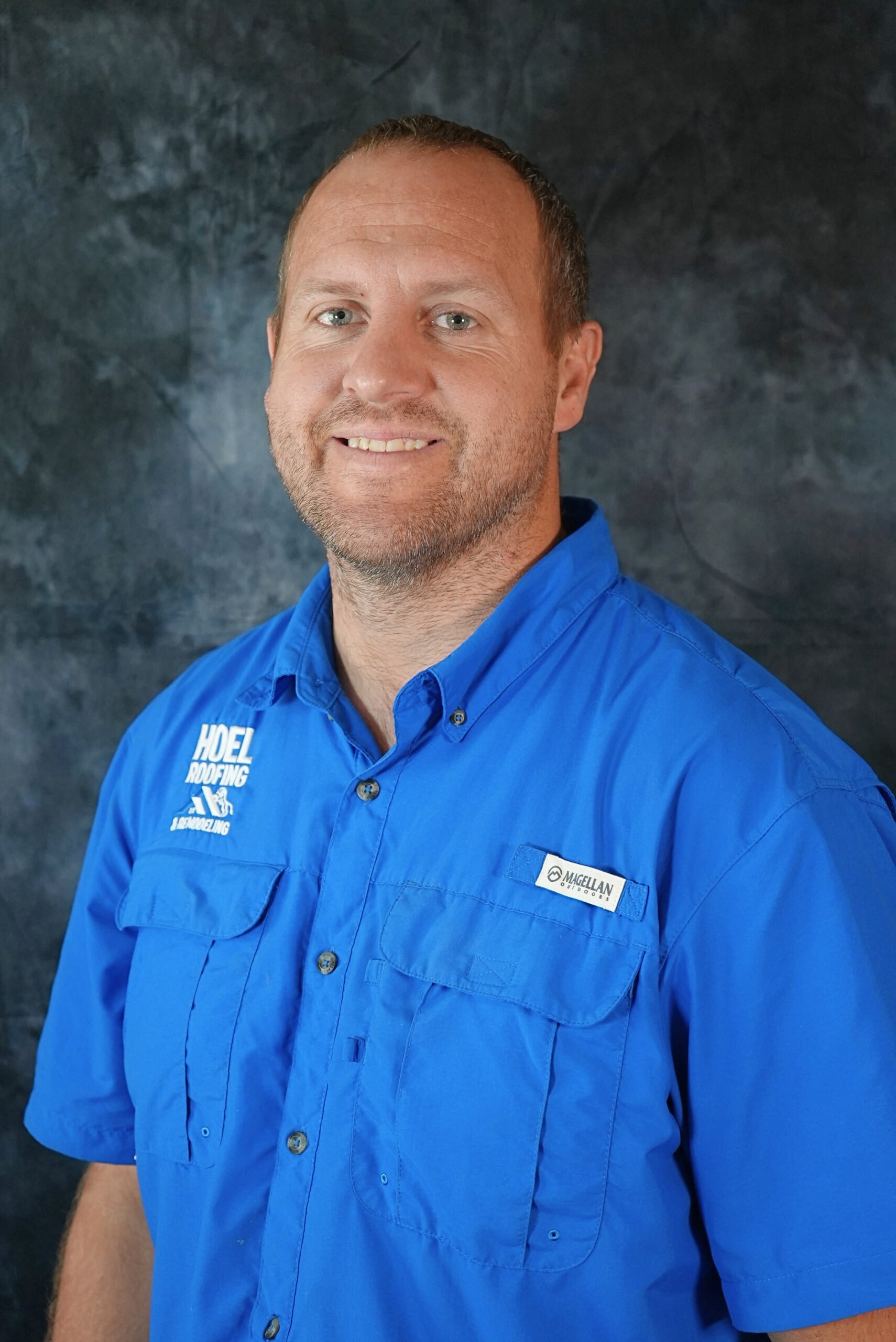
Bob Hoel is the owner and founder of Hoel Roofing & Remodeling, proudly serving Rushville, IN, and surrounding areas with high-quality roofing and remodeling services for over 9 years. With decades of hands-on experience in residential and commercial roofing, Bob specializes in installing and repairing asphalt shingles, metal roofing, and custom exterior solutions. He is committed to staying current with the latest roofing technologies and best practices. As both a contractor and an educator, Bob is dedicated to helping homeowners understand roofing systems, maintenance, and how to protect one of their biggest investments: their home.