Have you been thinking about adding a Velux skylight to bring in natural light and fresh air?
And are you wondering whether the price difference between a simple fixed skylight and a motorized solar-powered model is worth it, or if you should explore more affordable options?
Installing a Velux skylight in Indiana ranges from $1,350 to $5,400 depending on the type, size, roof complexity, and whether you choose fixed, manually vented, electrically operated, or solar-powered models.
At Hoel Roofing, we’re Velux Certified Installers who have installed hundreds of Velux skylights across Indiana over nine years. We know exactly what each type costs, which models perform best in Indiana’s climate, and how to help homeowners navigate the often-overlooked hidden costs that surprise people during installation.
In this article, we discuss breaking down Velux skylight pricing in 2026, explain every cost factor, show you real-world project examples, and help you understand whether skylights are the right investment for your home and budget.
By the end, you’ll know exactly what Velux skylights cost installed in Indiana, what affects your total investment, how to budget for hidden costs, and whether financing makes premium skylights affordable.
Here’s what fully installed Velux skylights costs in Indiana:
Single Skylight Installation (Most Common Sizes):
| Skylight Type | Installed Cost Range | Typical Configuration |
| Fixed (Non-Opening) | $2,000–$3,000 | Standard 22″W x 46″H, basic flashing |
| Manual Vented (Crank-Operated) | $2,800–$4,200 | Hinged opening, manual operation |
| Electric Vented (Motorized) | $3,500–$5,200 | Remote-operated, rain sensor |
| Solar Vented (Battery-Powered) | $3,400–$5,100 | Solar panel, no electrical wiring needed |
| Sun Tunnels (Tubular) | $2,200–$2,500 | Small diameter, diffuser, minimal structural work |
These are installed prices that include:
NOT typically included:
Your final price depends on much more than just the skylight type you choose. Several factors unique to your home and situation will influence what you ultimately pay.
Most Velux skylights are priced around a standard 22-inch-wide by 46-inch-tall dimension, which is common in many homes. If that’s what you’re installing, you’re looking at base pricing. Larger skylights measuring 30 to 44 inches wide cost $300 to $800 more because they require additional framing and material. Smaller skylights between 10 and 21 inches wide add just $100 to $300 to your project.
Your roof’s pitch is its angle or slope. The pitch significantly affects installation complexity and cost. A moderate pitch between 4/12 and 8/12 (meaning the roof rises 4 to 8 inches for every 12 inches horizontally) is considered standard and carries your base price. Steep pitches above 8/12 are more challenging to work on and require scaffolding or safety equipment, adding $200 to $600.
Complex roof geometry (multiple angles, valleys, or unusual shapes) adds $400 to $1,200 due to the custom work required.
Asphalt shingles are standard and included in base pricing. Metal roofs require specialized flashing techniques and add $300 to $800. Tile roofs demand more complex flashing systems, costing $500 to $1,500 extra. Slate roofs are the most expensive because they require specialized expertise and custom flashing, adding $800 to $2,000 to your project.
Replacing a skylight in an existing opening is straightforward and costs your base price. Creating a new opening in a solid roof requires cutting through framing and sheathing, adding $200 to $600. Non-standard opening sizes that don’t match the skylight perfectly require custom framing at $300 to $800. If your attic has obstructions like ducts, wiring, or structural beams in the way, expect an additional $400 to $1,200.
Standard flashing kits are included in your price. Metal roofs or complex roof geometries requiring specialized flashing add $200 to $400. If your installer recommends additional leak barriers, ice-and-water shields, or enhanced weatherproofing, especially in climates prone to ice damming, budget an extra $150 to $300.
Your skylight unit price covers just the roof opening. If you want no interior finishing, basically leaving the opening exposed to your attic, that’s your base cost. A basic lightwell (the drywall enclosure that connects the skylight to your ceiling and contains insulation) costs $2,500 to $3,500. A finished lightwell with paint, trim work, and proper insulation runs $3,000 to $4,000. Custom or decorative lightwells designed to match specific architectural styles can exceed $4,000 to $6,000. Many homeowners overlook this cost entirely and are shocked to discover it’s often larger than the skylight itself.

Fixed skylights at ~$2,000–$3,000 installed are the most affordable. Sun tunnels (~$2,000–$2,500) are slightly cheaper but suitable only for interior rooms without roof access.
No. DIY voids manufacturer warranties (10-year installation warranty covers professionally installed only). Plus, improper installation causes leaks that cost $500–$3,000+ to repair. Always hire certified installers.
10-year installation warranty (when professionally installed), 10-year hail warranty on glass, and lifetime structural warranty on frame/sash defects.
Roof repairs discovered during installation add $300–$5,000+, depending on the extent of the rot. Always budget for potential repairs and get pre-inspection estimates.
Single fixed skylight takes 6-8 hours (1 day); single vented skylight takes 8–10 hours (1 day); and multiple skylights take 1-2 days, depending on quantity.
Varies by municipality. Indiana typically requires permits for structural roof work. Permit costs about $ 100-$300.
Yes, if installed in the right room and planned properly.
Skylights are worth it for:
Skylights may not be a good idea for:
Bottom line: Both types provide positive ROI over 15+ years, especially combined with energy savings and home appeal.
If you’ve been hesitant about skylight costs, you’re right to budget carefully. It’s a major investment. But when you add energy savings, resale value gains ($2,000-$4,000), and the daily benefit of natural light, the ROI becomes clear.
Before your installation, check out our article Are Skylights Worth It? Benefits, Costs & What to Know Before Installing.
Your next step is to determine which skylight type fits your needs (fixed for light, vented for ventilation/moisture), schedule a free consultation to assess roof feasibility, understand your specific costs, and explore financing options that fit your budget.
At Hoel Roofing, we’re Velux-Certified Installers who have installed hundreds of Velux skylights throughout Indiana. We know exactly what each type costs and which models work best in our climate.
Fill out this form to schedule a free consultation to assess roof feasibility, understand your specific costs, and explore financing options that fit your budget. Let’s help you bring light to your home the right way.
/
Have you been thinking about adding a Velux skylight to bring in natural light and fresh air?
And are you wondering whether the price difference between a simple fixed skylight and a motorized solar-powered model is worth it, or if you should explore more affordable options?
Installing a Velux skylight in Indiana ranges from $1,350 to $5,400 depending on the type, size, roof complexity, and whether you choose fixed, manually vented, electrically operated, or solar-powered models.
At Hoel Roofing, we’re Velux Certified Installers who have installed hundreds of Velux skylights across Indiana over nine years. We know exactly what each type costs, which models perform best in Indiana’s climate, and how to help homeowners navigate the often-overlooked hidden costs that surprise people during installation.
In this article, we discuss breaking down Velux skylight pricing in 2026, explain every cost factor, show you real-world project examples, and help you understand whether skylights are the right investment for your home and budget.
By the end, you’ll know exactly what Velux skylights cost installed in Indiana, what affects your total investment, how to budget for hidden costs, and whether financing makes premium skylights affordable.
Here’s what fully installed Velux skylights costs in Indiana:
Single Skylight Installation (Most Common Sizes):
| Skylight Type | Installed Cost Range | Typical Configuration |
| Fixed (Non-Opening) | $2,000–$3,000 | Standard 22″W x 46″H, basic flashing |
| Manual Vented (Crank-Operated) | $2,800–$4,200 | Hinged opening, manual operation |
| Electric Vented (Motorized) | $3,500–$5,200 | Remote-operated, rain sensor |
| Solar Vented (Battery-Powered) | $3,400–$5,100 | Solar panel, no electrical wiring needed |
| Sun Tunnels (Tubular) | $2,200–$2,500 | Small diameter, diffuser, minimal structural work |
These are installed prices that include:
NOT typically included:
Your final price depends on much more than just the skylight type you choose. Several factors unique to your home and situation will influence what you ultimately pay.
Most Velux skylights are priced around a standard 22-inch-wide by 46-inch-tall dimension, which is common in many homes. If that’s what you’re installing, you’re looking at base pricing. Larger skylights measuring 30 to 44 inches wide cost $300 to $800 more because they require additional framing and material. Smaller skylights between 10 and 21 inches wide add just $100 to $300 to your project.
Your roof’s pitch is its angle or slope. The pitch significantly affects installation complexity and cost. A moderate pitch between 4/12 and 8/12 (meaning the roof rises 4 to 8 inches for every 12 inches horizontally) is considered standard and carries your base price. Steep pitches above 8/12 are more challenging to work on and require scaffolding or safety equipment, adding $200 to $600.
Complex roof geometry (multiple angles, valleys, or unusual shapes) adds $400 to $1,200 due to the custom work required.
Asphalt shingles are standard and included in base pricing. Metal roofs require specialized flashing techniques and add $300 to $800. Tile roofs demand more complex flashing systems, costing $500 to $1,500 extra. Slate roofs are the most expensive because they require specialized expertise and custom flashing, adding $800 to $2,000 to your project.
Replacing a skylight in an existing opening is straightforward and costs your base price. Creating a new opening in a solid roof requires cutting through framing and sheathing, adding $200 to $600. Non-standard opening sizes that don’t match the skylight perfectly require custom framing at $300 to $800. If your attic has obstructions like ducts, wiring, or structural beams in the way, expect an additional $400 to $1,200.
Standard flashing kits are included in your price. Metal roofs or complex roof geometries requiring specialized flashing add $200 to $400. If your installer recommends additional leak barriers, ice-and-water shields, or enhanced weatherproofing, especially in climates prone to ice damming, budget an extra $150 to $300.
Your skylight unit price covers just the roof opening. If you want no interior finishing, basically leaving the opening exposed to your attic, that’s your base cost. A basic lightwell (the drywall enclosure that connects the skylight to your ceiling and contains insulation) costs $2,500 to $3,500. A finished lightwell with paint, trim work, and proper insulation runs $3,000 to $4,000. Custom or decorative lightwells designed to match specific architectural styles can exceed $4,000 to $6,000. Many homeowners overlook this cost entirely and are shocked to discover it’s often larger than the skylight itself.
Fixed skylights at ~$2,000–$3,000 installed are the most affordable. Sun tunnels (~$2,000–$2,500) are slightly cheaper but suitable only for interior rooms without roof access.
No. DIY voids manufacturer warranties (10-year installation warranty covers professionally installed only). Plus, improper installation causes leaks that cost $500–$3,000+ to repair. Always hire certified installers.
10-year installation warranty (when professionally installed), 10-year hail warranty on glass, and lifetime structural warranty on frame/sash defects.
Roof repairs discovered during installation add $300–$5,000+, depending on the extent of the rot. Always budget for potential repairs and get pre-inspection estimates.
Single fixed skylight takes 6-8 hours (1 day); single vented skylight takes 8–10 hours (1 day); and multiple skylights take 1-2 days, depending on quantity.
Varies by municipality. Indiana typically requires permits for structural roof work. Permit costs about $ 100-$300.
Yes, if installed in the right room and planned properly.
Skylights are worth it for:
Skylights may not be a good idea for:
Bottom line: Both types provide positive ROI over 15+ years, especially combined with energy savings and home appeal.
If you’ve been hesitant about skylight costs, you’re right to budget carefully. It’s a major investment. But when you add energy savings, resale value gains ($2,000-$4,000), and the daily benefit of natural light, the ROI becomes clear.
Before your installation, check out our article Are Skylights Worth It? Benefits, Costs & What to Know Before Installing.
Your next step is to determine which skylight type fits your needs (fixed for light, vented for ventilation/moisture), schedule a free consultation to assess roof feasibility, understand your specific costs, and explore financing options that fit your budget.
At Hoel Roofing, we’re Velux-Certified Installers who have installed hundreds of Velux skylights throughout Indiana. We know exactly what each type costs and which models work best in our climate.
Fill out this form to schedule a free consultation to assess roof feasibility, understand your specific costs, and explore financing options that fit your budget. Let’s help you bring light to your home the right way.
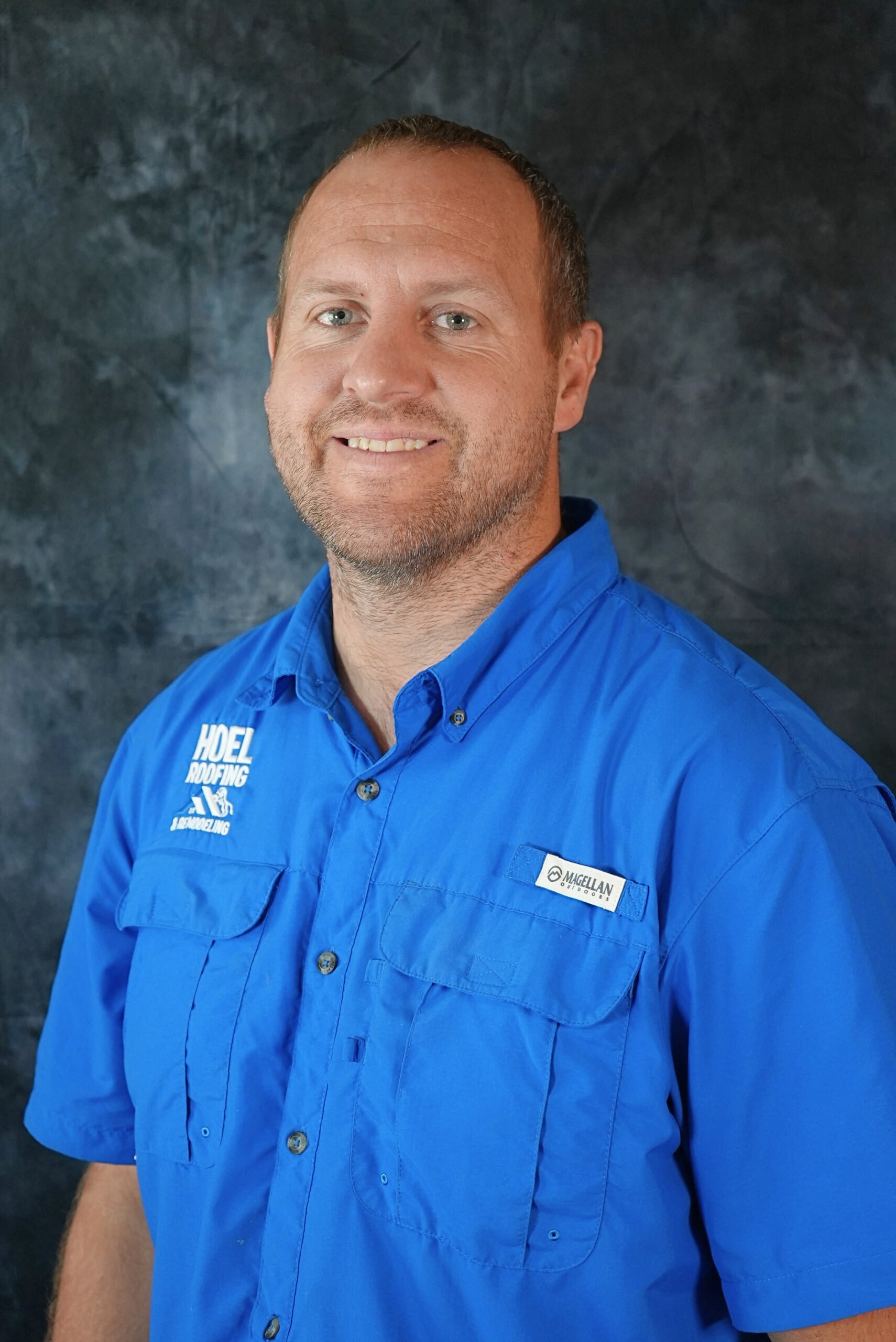
Bob Hoel is the owner and founder of Hoel Roofing & Remodeling, proudly serving Rushville, IN, and surrounding areas with high-quality roofing and remodeling services for over 9 years. With decades of hands-on experience in residential and commercial roofing, Bob specializes in installing and repairing asphalt shingles, metal roofing, and custom exterior solutions. He is committed to staying current with the latest roofing technologies and best practices. As both a contractor and an educator, Bob is dedicated to helping homeowners understand roofing systems, maintenance, and how to protect one of their biggest investments: their home.