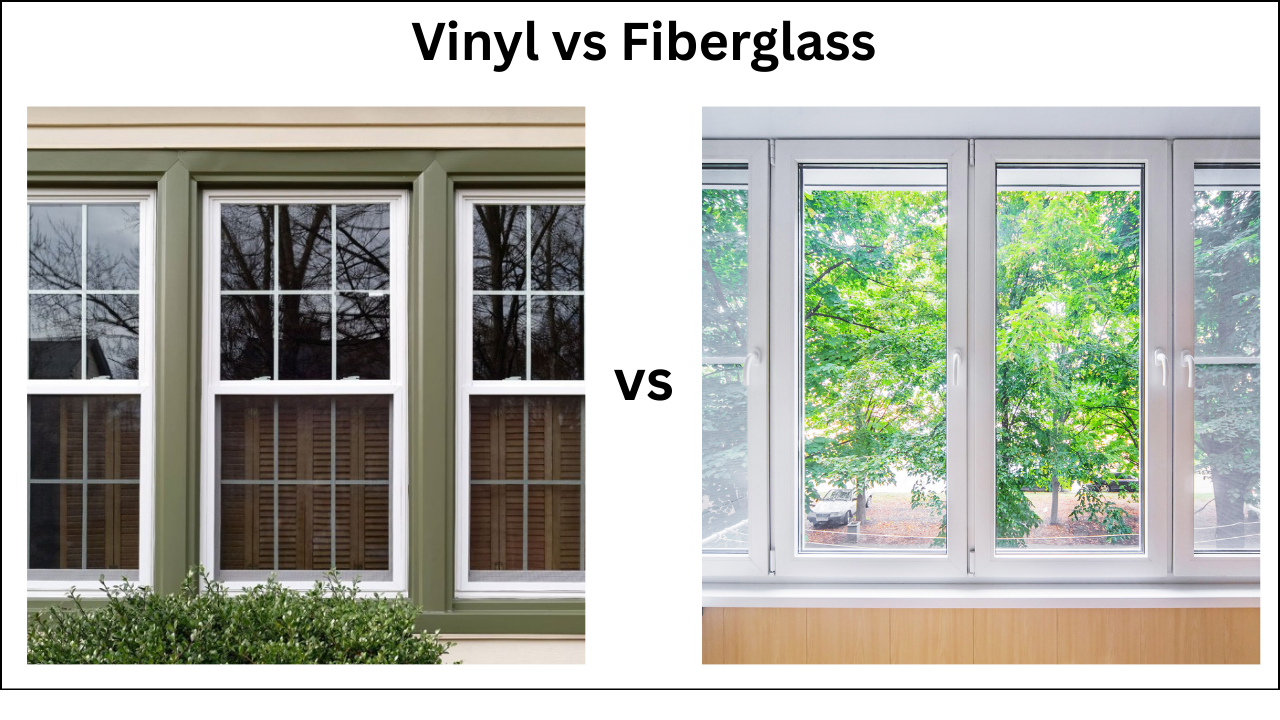
Choosing between vinyl and fiberglass windows can feel overwhelming when you’re trying to protect your Indiana home from brutal winters. You want windows that keep the cold out, prevent condensation, and don’t break the bank, but how do you know which material actually delivers?
At Hoel Roofing & Remodeling, we’ve installed hundreds of windows across Rushville, Columbus, and surrounding Indiana communities over the past eight years. We’ve seen how both vinyl and fiberglass hold up through harsh freeze-thaw cycles, sub-zero temperatures, and everything Indiana winters throw at them.
In this article, we’ll break down the real performance differences between vinyl and fiberglass windows in cold weather, compare costs, and help you decide which makes sense for your home and budget.
By the end, you’ll know exactly which window type gives you the best value for Indiana’s climate, so you can make a confident decision without overpaying or sacrificing performance.
When evaluating windows for Indiana winters, it’s not just about the brand name or marketing claims. Here are the key factors that actually affect how your windows perform in cold weather:
Knowing what you’ll pay helps you budget accurately and compare value. Lower-cost options may work for some homeowners, while others might consider premium materials, which may often times perform better in the long run.
How well does the frame material handle sub-zero temperatures and dramatic temperature swings? Materials that expand and contract less maintain better seals over time.
R-values, heat transfer, and insulation properties directly impact your heating bills and indoor comfort during cold months.
Indiana’s constant freeze-thaw cycles are tough on windows. The frame material needs to resist cracking, warping, and seal failure through repeated temperature extremes.
Interior condensation leads to mold, damaged drywall, and deteriorating window sills. Frame material affects how warm the interior surface stays.
By focusing on these criteria, we can cut through marketing hype and identify which material delivers real value for Indiana homeowners.
In central Indiana, here’s what you can expect to pay per window, fully installed (as of 2025):
Vinyl Windows:
Fiberglass Windows:
If your priority is affordability with good performance, quality vinyl windows deliver excellent value. If you want the absolute best cold-weather performance and plan to stay in your home 30+ years, fiberglass offers better long-term performance at a significant premium.
Vinyl provides exceptional winter performance at a much better price point. Fiberglass offers slightly better performance, but the real-world difference in Indiana’s climate is smaller than the price difference.
Both vinyl and fiberglass windows perform well in cold weather, but fiberglass has a slight edge in extreme temperature performance. Here’s what that actually means for Indiana homeowners:
Fiberglass advantages in winter:
Vinyl advantages in winter:
The bottom line: For most Indiana homeowners, high-quality vinyl windows provide excellent winter performance at a much better price point. Fiberglass offers marginally better performance in extreme conditions, but that difference is most noticeable in climates colder than ours. The gap in real-world performance for Indiana winters is smaller than the gap in price.
The key question isn’t just “which is better” but “is the better performance worth the extra cost for your specific situation?” Let’s dig into exactly how each material performs in the conditions you’ll actually face.
Fiberglass might save you an extra $25-$50 per year, but costs $3,000-$4,500 more upfront. It would take 60-180 years to recover the cost difference through energy savings alone.
Indiana’s constant temperature cycling (50°F one day, 10°F the next) tests window materials.
Vinyl:
But it has its downsides:
Modern, quality vinyl windows from reputable manufacturers handle Indiana’s freeze-thaw cycles very well.
Fiberglass:
But it has its downsides:
Winner: Both perform well. Fiberglass lasts longer, but vinyl’s 20-30 year lifespan is more than adequate for most homeowners.
Condensation forms when warm, moist indoor air contacts a cold surface and can’t hold that moisture anymore. In winter, this cold surface is often your windows. The colder the interior glass or frame surface, the more likely condensation will occur. Both materials resist condensation similarly because neither conducts heat like metal frames.
Vinyl frames:
Fiberglass frames:
Winner: Tie. The frame material makes minimal difference. Focus on the glass package and humidity control instead.
If you’re looking for the absolute best cold-weather performance:
For most Indiana homeowners, the performance difference doesn’t justify the cost premium. Both materials handle our winters excellently when properly installed with good glass packages.
| Feature | Vinyl | Fiberglass |
| Price per window | $800-$1500+ | $2,200+ |
| R-Value | 3.0-4.0 | 4.0-5.0 |
| Expansion/Contraction | Moderate (similar to glass) | Minimal (8x less than vinyl) |
| Lifespan in Indiana | 20-30 years | 30-50+ years |
| Freeze-Thaw Performance | Excellent (doesn’t absorb water) | Excellent (superior stability) |
| Maintenance | Virtually none | Minimal (possible paint touch-up) |
| Condensation Resistance | Excellent | Excellent |
| Best for | Value, proven performance | Maximum longevity, premium builds |
The “best” window for you depends on your budget, how long you plan to stay, and what you value most. We’ve installed both materials extensively, and here’s our honest assessment:
Choose Vinyl Windows if:
Choose Fiberglass Windows if:
No matter which frame material you choose, these factors matter more than vinyl vs. fiberglass:
At Hoel Roofing & Remodeling, we install quality vinyl windows, including ProVia, which performs exceptionally well in Indiana winters. Ready to explore your options? Learn more about our window installation services.

Toyosi Ogunsola is the Content Manager at Hoel Roofing & Remodeling in Rushville, IN, where she oversees the creation of educational, trustworthy content about roofing, remodeling, and home improvement. With a master’s degree in Emerging Media Design and Development and a background spanning content strategy, UX research, and digital marketing, Toyosi combines data-driven insights with clear, engaging writing to help homeowners make informed decisions. Passionate about translating complex roofing topics into helpful resources, she works closely with Hoel’s team of roofing experts to ensure every piece of content is accurate, practical, and user-focused.