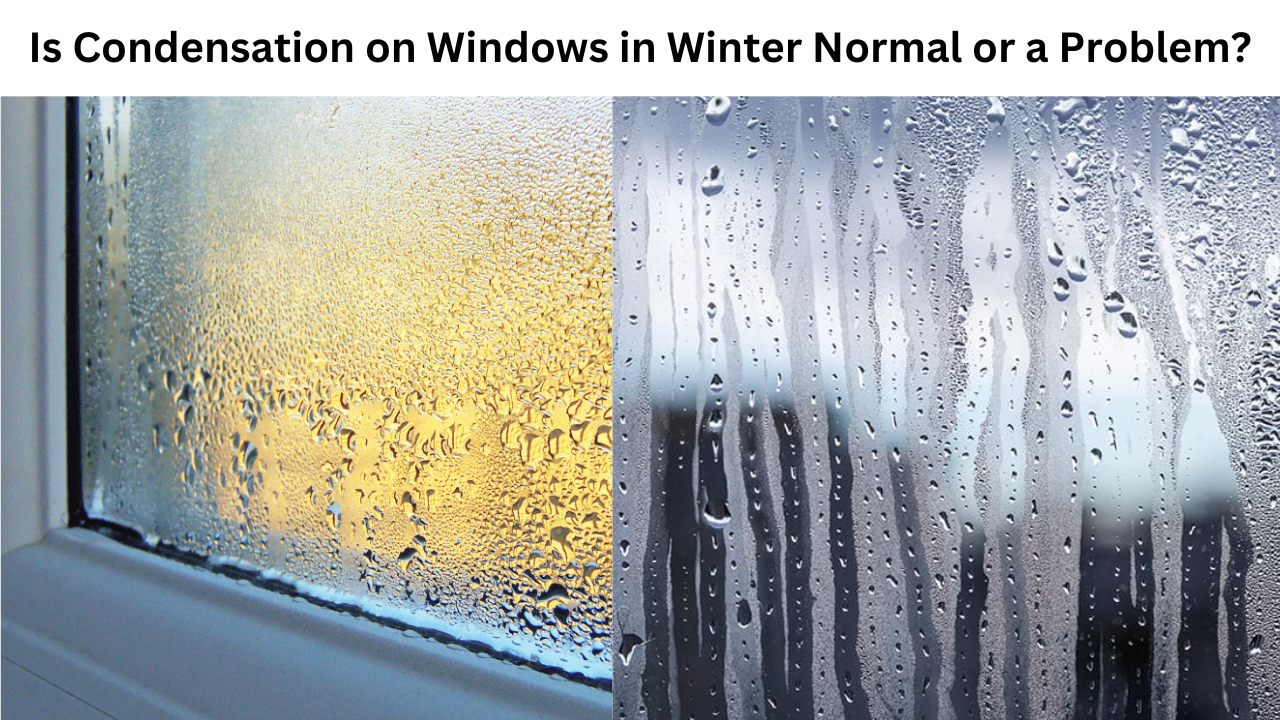
You wake up on a cold January morning in Indiana, walk into your kitchen, and find your windows completely fogged over with moisture. Some windows even have ice crystals forming in the corners. You wipe them off, but the next morning, it’s back again.
Is this normal? Should you be worried? Does it mean your windows are failing?
These are questions we hear constantly at Hoel Roofing & Remodeling from homeowners in Rushville, Columbus, and throughout central Indiana. The answer isn’t always simple. Some condensation is perfectly normal during Indiana winters, but excessive or persistent moisture can signal serious problems that lead to mold, wood rot, and damaged windows.
We’ve helped hundreds of Indiana homeowners understand window condensation, determine when it’s a problem, and fix the underlying causes; whether that’s controlling humidity, improving ventilation, or replacing failed windows.
In this article, we’ll explain exactly what causes condensation, how to tell normal moisture from a serious problem, and most importantly, what you can do right now to stop waking up to foggy, wet windows.
By the end, you’ll know whether your window condensation is normal winter behavior or a warning sign that needs immediate attention.
Condensation occurs when warm, moist air comes into contact with a cold surface. Think of air like a sponge. Warm air is like a big sponge holding lots of water. Cold air is like a small, squeezed sponge that can barely hold any.
When warm indoor air (70°F) touches cold window glass (maybe 35°F on the inside), it “shrinks” and can’t hold all that moisture. The excess water appears as droplets on your window.
Windows are the coldest surfaces in rooms because glass conducts cold from outside much more than insulated walls do. When humid indoor air circulates, it first hits your window glass, where condensation forms.
It depends on how much, how often, and where it appears.
Light condensation is expected during cold Indiana winters. This condensation:
Even good double-pane windows can develop minor condensation when outdoor temperatures drop to 10-15°F and indoor humidity is in a healthy 30-40% range. In Indiana, we regularly swing from 35°F to 15°F, causing condensation to form, freeze, melt, and reform, harder on windows than consistent cold.

Heavy, persistent condensation is never normal. Heavy condensation looks like:
When you notice these signs, it means your home:
Some immediate things to do:
Some more long term solutions are:
Why do I have condensation on new windows but not on my old windows?
Your new windows are actually working correctly! Old, drafty windows constantly leaked cold air, which dried out the air near the windows before condensation could form. New windows seal properly and hold heat inside, but also don’t “leak away” humidity. The solution is better humidity control, not worse windows.
Is condensation worse on certain types of windows?
Yes. Single-pane windows condense much more than double-pane windows. Among double-pane windows, those without Low-E coating or with air (instead of argon) between panes perform worse. Triple-pane with Low-E coating has the warmest interior glass and condense least. For Indiana, we recommend at least double-pane with Low-E and argon gas.
Why does my bedroom window seem to have the worst condensation?
Bedrooms have worse condensation because doors close at night (traps moisture), people exhale moisture while sleeping, less air circulation, and they’re often on the north side (coldest). It helps to crack the door at night, run a small fan, or lower the whole-house humidity.
Does condensation mean my home has mold?
Not necessarily, but it increases risk. Condensation creates moisture that mold needs. Check window frames/sills for black spots, walls below windows for discoloration, and behind furniture for musty smell.
Can condensation damage my walls?
Yes, if water runs from windows onto walls or soaks into drywall. This causes paint peeling, drywall damage/staining, mold in walls, and wood rot in severe cases. Address immediately if you see water running down walls.
You need new windows if:
You don’t need new windows if your windows:
If you are trying to decide on what type of window is better suited for your Indiana home, check out our article Vinyl vs. Fiberglass Windows: Which Performs Better in Indiana?
At Hoel Roofing & Remodeling, we’ve helped hundreds of Indiana homeowners stop waking up to foggy windows. Whether you need new energy-efficient windows or just expert advice on humidity control, we’re here to help.
We’ll inspect your windows, assess your home’s ventilation and humidity, and recommend the right solution, not just the most expensive one. If humidity control solves your problem, we’ll tell you that honestly. Schedule a free window inspection today.

Toyosi Ogunsola is the Content Manager at Hoel Roofing & Remodeling in Rushville, IN, where she oversees the creation of educational, trustworthy content about roofing, remodeling, and home improvement. With a master’s degree in Emerging Media Design and Development and a background spanning content strategy, UX research, and digital marketing, Toyosi combines data-driven insights with clear, engaging writing to help homeowners make informed decisions. Passionate about translating complex roofing topics into helpful resources, she works closely with Hoel’s team of roofing experts to ensure every piece of content is accurate, practical, and user-focused.