Are you wondering if it is actually safe to replace a roof during an Indiana winter or should you wait until spring? If you’re noticing leaks, missing shingles, or ice-dam damage in December or January, this is probably a question that keeps you up at night.
At Hoel Roofing, we’ve done several roof replacements in Indiana winters. We know when winter installation is completely safe, when it needs extra care, and when waiting might cost homeowners far more in damage. As a certified Owens Corning and Malarkey installer, our crews follow official cold-weather installation protocols to protect sealing, warranty coverage, and long-term durability.
In this article, you’ll learn whether winter roof replacement is possible (and when it’s recommended), how cold temperatures affect roofing materials, what manufacturers say about temperature limits, the real risks of winter installation, how pros avoid them, and when you should not wait until spring.
By the end of this article, you will know whether roofing in freezing temperatures is safe enough for you to do.
Yes, you can replace a roof in winter in Indiana. Roofers do it safely every year as long as temperatures, materials, and installation methods follow the manufacturer’s cold-weather guidelines. With a certified crew, winter roof replacement can be done, especially if delaying can cause even worse damage.
In order to replace a roof in the winter, it requires:
A winter roof replacement is often safer for your home than waiting, especially if you’re already dealing with leaks, rot, or ice-dam damage.
If you’ve never replaced a roof before, here’s the simple version:
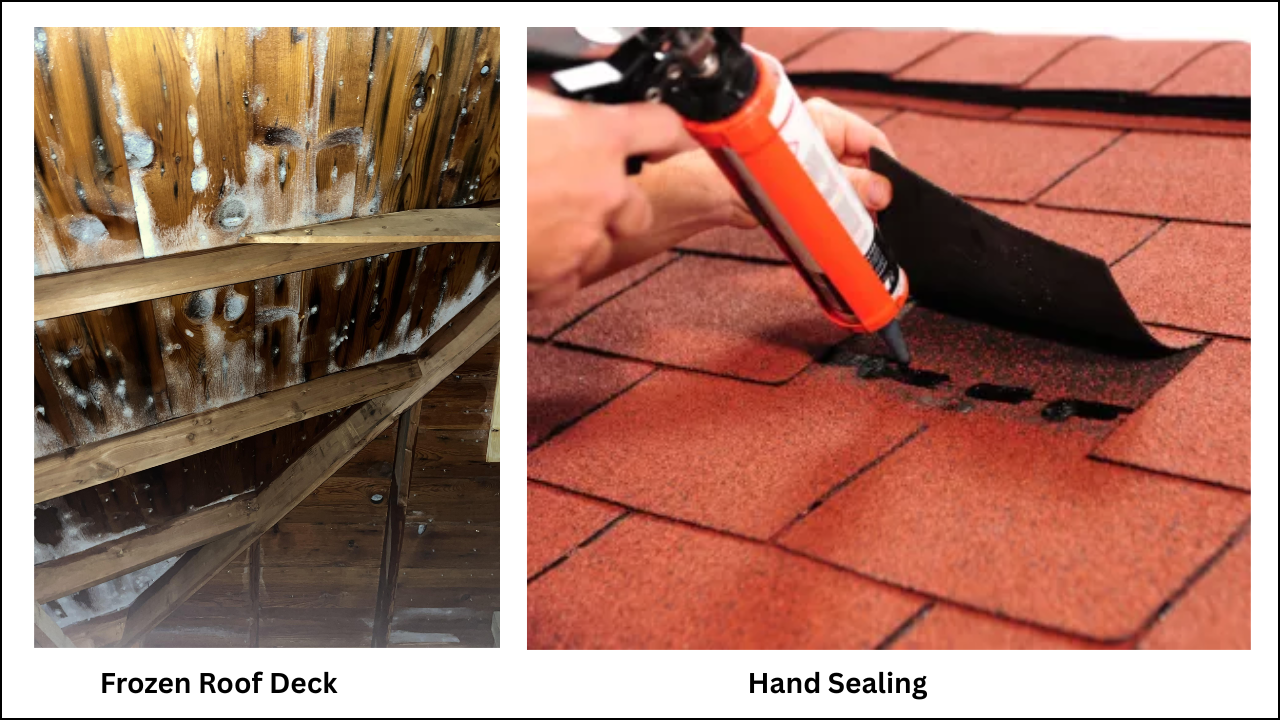
Shingles are designed to seal together using heat. In warmer months, sunlight activates the adhesive strip on the back of each shingle, bonding them into a watertight layer.
In cold weather, three things happen:
A professional crew understands these risks and adjusts its installation process to protect your roof.
Yes, asphalt shingles can be installed safely in winter, as long as:
Most problems with winter installation happen when roofers rush or don’t follow cold-weather procedures.
Every manufacturer has temperature guidelines. General rules:
Examples from major manufacturers:
It is best to follow the exact guidelines or risk improper sealing and voided warranties.
Yes, winter installation can actually help homeowners when:
No, your warranty stays valid as long as:
What will void a warranty is:
This is why winter roof replacements should never be done by a lowest-bid contractor.
Does a roof seal properly in winter?
Yes, shingles seal naturally when temperatures rise, and critical areas are hand-sealed immediately.
Can snow damage my new roof during installation?
No, because the roof is cleared before work begins, and winter underlayments protect it.
Is it cheaper to replace a roof in winter?
Not always, but it’s often faster to schedule.
How cold is too cold to install shingles?
Most manufacturers recommend above 40°F, but some shingles can go lower with proper sealing.
If you see any of the warning signs below, delaying your roof replacement will likely end up costing you more than you’d pay if you just got it done.
Indiana freeze-thaw cycles make winter damage worse fast. If your roof is already compromised, replacing it now prevents further structural damage.
If you are unsure if you can delay your roof replacement, check out our article on Should I Fix My Roof Now or Wait? Risks, Costs, and Insurance Rules Explained. If you need a replacement done as soon as possible, you should call Hoel Roofing. At Hoel Roofing, we use a cold-weather installation protocol that protects your home and your warranty. You get the full durability of a spring installation, without risking months of additional damage.
Contact Us to Schedule Your Roof Replacement.

Toyosi Ogunsola is the Content Manager at Hoel Roofing & Remodeling in Rushville, IN, where she oversees the creation of educational, trustworthy content about roofing, remodeling, and home improvement. With a master’s degree in Emerging Media Design and Development and a background spanning content strategy, UX research, and digital marketing, Toyosi combines data-driven insights with clear, engaging writing to help homeowners make informed decisions. Passionate about translating complex roofing topics into helpful resources, she works closely with Hoel’s team of roofing experts to ensure every piece of content is accurate, practical, and user-focused.